Hand movements form the foundation of nearly everything we do with our bodies, from typing on a keyboard to catching a ball mid-air. Yet most people never think about training them deliberately. If you're a casual gamer looking to sharpen your in-game reactions, or a fitness beginner who wants smoother daily coordination, guided practice can make a real difference.
The good news is that improving motor control doesn't require expensive equipment or hours of dedication each day. Small, focused sessions targeting your fingers, wrists, and palms build neural pathways that translate into faster reflexes and more precise actions. This guide walks you through a practical, step-by-step approach to training your hand movements for better motor control.
To understand the broader landscape of how hands interact with technology, check out this overview of what hand motion gaming is and how it works. By the end, you'll have a clear routine you can start today.
Key Takeaways
- Consistent daily practice of guided hand movements builds stronger neural connections over time.
- Warm-up stretches prevent injury and prepare your muscles for focused coordination drills.
- Finger isolation exercises improve dexterity more effectively than generic grip training alone.
- Tracking your progress weekly helps you identify weak areas and adjust routines.
- Combining physical exercises with interactive games accelerates reflex improvement significantly.
Step 1: Assess Your Current Baseline and Set Goals
Before you start any training program, you need to know where you stand. Most people overestimate their hand dexterity because they use their hands constantly. But habitual use and trained precision are very different things. A quick assessment reveals gaps you didn't know existed, like sluggish pinky response times or weak grip endurance, and gives you concrete numbers to improve against.
Start by defining what "better motor control" means for you. A gamer might want faster button inputs and more accurate aiming. A fitness beginner might care about grip strength for lifting or better coordination for yoga. Write down two or three specific goals. Vague targets like "get better hands" won't motivate you when the novelty wears off. Something like "reduce my average reaction time by 50 milliseconds in four weeks" gives you a finish line.
Simple Self-Tests You Can Do Right Now
Try these three tests and record your results. First, tap each finger to your thumb as fast as you can for 30 seconds and count the cycles. Second, hold a pen vertically between your index and middle finger for as long as possible without dropping it. Third, use a free online reaction time test and note your average over ten attempts. These numbers become your baseline.
Save your baseline numbers in a notes app or spreadsheet so you can compare them after two and four weeks of training.
You might also consider using interactive platforms that track your performance automatically. Many hand coordination games designed to boost reflexes include built-in scoring systems that record your improvements over time. This removes the guesswork and keeps you accountable without extra effort on your part.
Step 2: Warm Up and Stretch Before Every Session
Skipping the warm-up is the fastest way to end up with sore tendons and zero progress. Cold muscles and tight connective tissue limit your range of motion, which means your practice quality drops immediately. A proper warm-up takes only three to five minutes but can double the effectiveness of your training session. Think of it as priming the system before you ask it to perform.
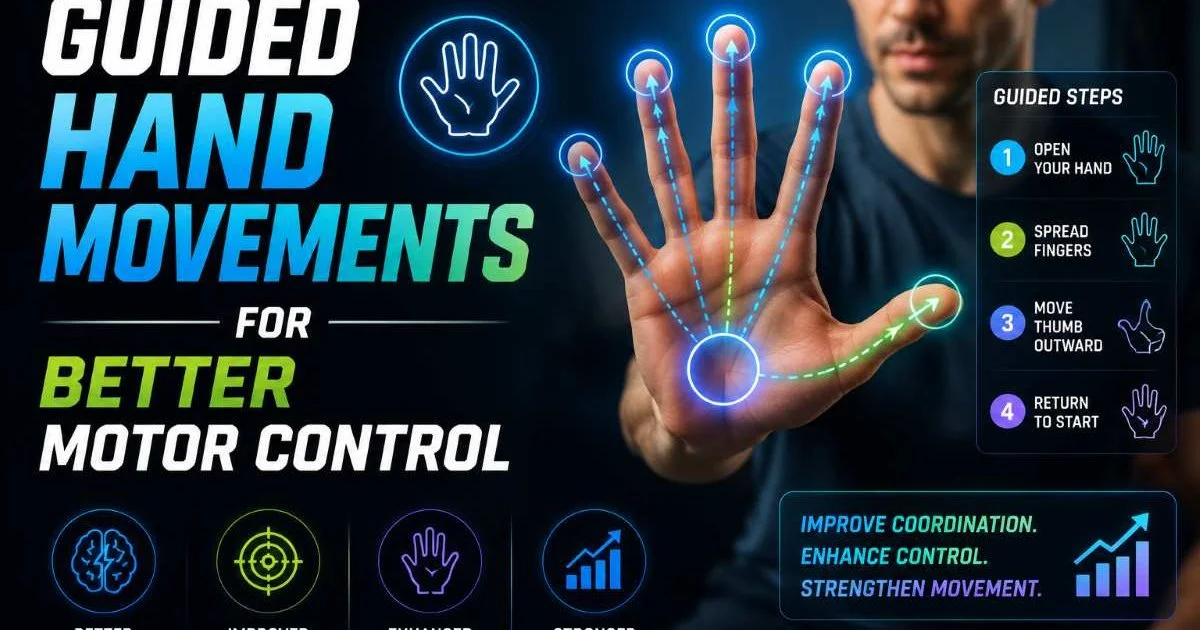
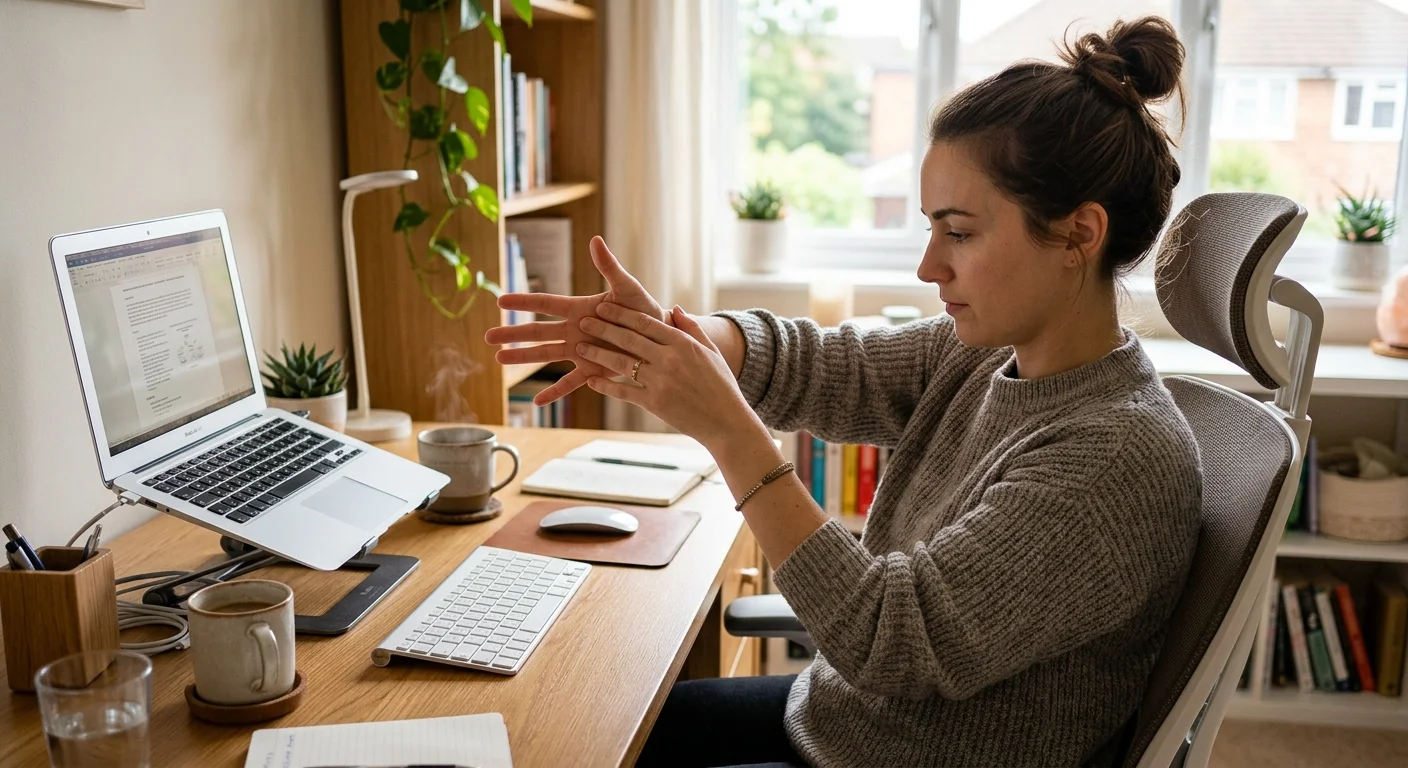
Begin by rubbing your hands together briskly for about 20 seconds to increase blood flow. Then make tight fists and release them slowly, spreading your fingers as wide as possible. Repeat this ten times. Next, rotate each wrist clockwise and counterclockwise for 15 seconds per direction. These basic movements wake up the small intrinsic muscles in your hands that do most of the precision work during hand movements.
Essential Stretches for Fingers and Wrists
After the general warm-up, move into targeted stretches. Place your palm flat on a table and gently press down to stretch the underside of your wrist. Hold for 15 seconds, then flip your hand over and stretch the top. For finger-specific stretches, use your opposite hand to gently pull each finger backward (not to pain, just mild tension) and hold for five seconds each. These stretches are especially important for people who type or game frequently.
Check Also: Fixing Common Keyboard Navigation Issues on Websites
If you feel sharp pain during any stretch, stop immediately. Mild tension is normal, but pain signals potential injury.
Consistent stretching over weeks also improves your passive range of motion, meaning your fingers and wrists can physically reach positions they couldn't before. This expanded range directly benefits activities like playing instruments, performing complex game inputs, and even daily tasks like opening jars. The exercises outlined in this guide on hand motion coordination exercises for all ages include warm-up variations suitable for different fitness levels.
| Exercise | Duration | Repetitions | Target Area |
|---|---|---|---|
| Hand rubbing | 20 seconds | 1 set | General blood flow |
| Fist clench and release | 30 seconds | 10 reps | Intrinsic hand muscles |
| Wrist rotations | 30 seconds | 15 sec each direction | Wrist joint |
| Palm-down wrist stretch | 15 seconds | 2 per hand | Wrist flexors |
| Individual finger pulls | 50 seconds | 5 sec per finger | Finger extensors |
Step 3: Practice Core Hand Movement Exercises
Finger Isolation Drills
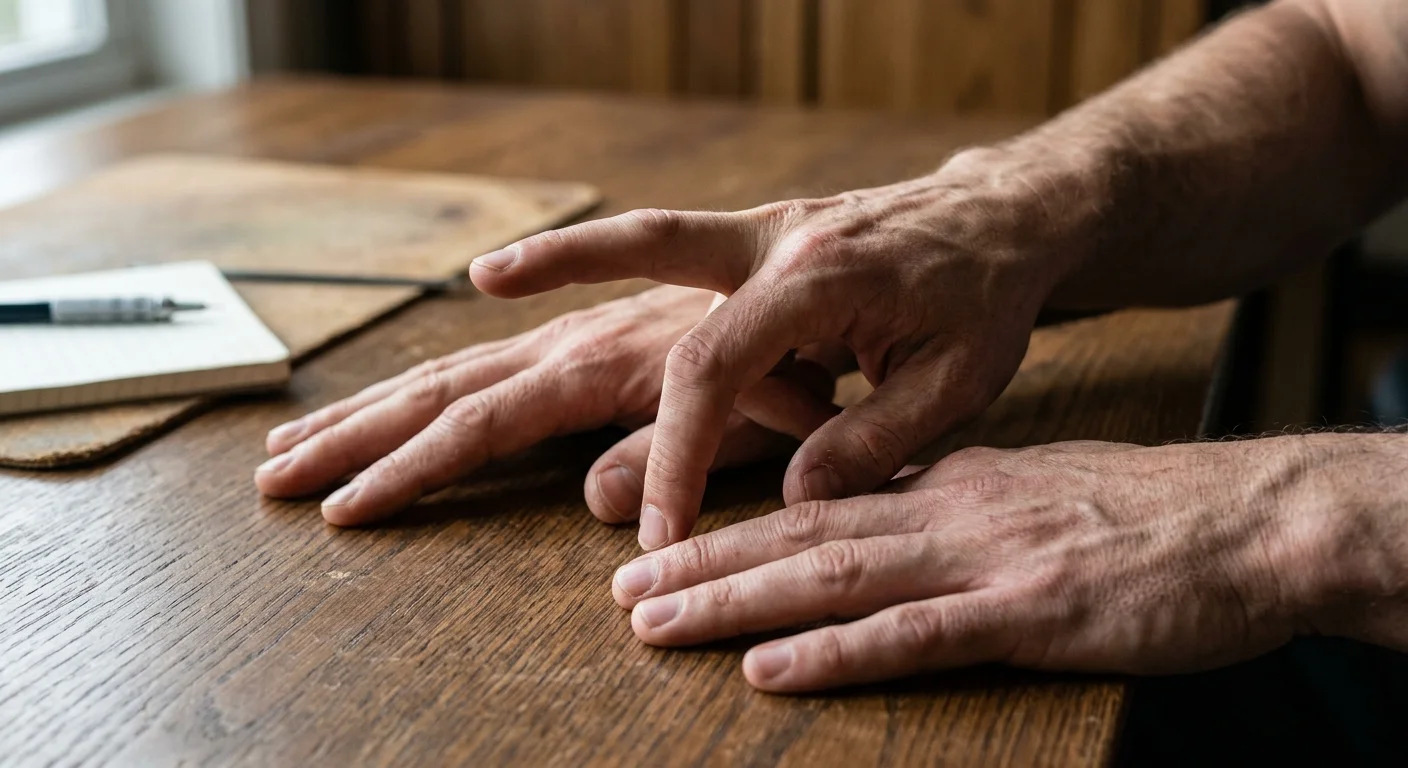
Finger isolation is the single most effective category of exercise for improving dexterity. The idea is simple: move one finger at a time while keeping the others completely still. Place your hand flat on a table and lift only your index finger, hold for two seconds, then lower it. Repeat with each finger. This sounds trivial, but most people discover their ring finger barely cooperates independently. That's exactly the weakness you're training away.
A more advanced version involves sequential tapping. Drum your fingers on the table in order (index, middle, ring, pinky) at increasing speeds. Then reverse the order. Then try skipping fingers, like index to ring, or middle to pinky. Each pattern challenges your brain to send more precise signals to individual digits. Over two to three weeks of daily practice, you'll notice a significant improvement in how independently each finger responds.
"The ring finger's lack of independence isn't a defect; it's a training opportunity most people never address."
If you want to add variety and real-time feedback, pairing these drills with digital games is highly effective. You can explore targeted exercises for hand coordination improvement that blend physical drills with interactive challenges. The combination of analog and digital practice engages different cognitive pathways, which accelerates learning according to motor control research.
Wrist and Grip Training
While finger dexterity handles precision, your wrist and grip provide the stability that makes precision possible. A shaky wrist undermines even the most dexterous fingers. Start with simple wrist curls using a light object like a water bottle. Hold it with your forearm resting on a table, palm facing up, and curl your wrist upward 15 times. Then flip your hand over and do 15 reverse wrist curls. Three sets per session builds endurance without overloading your tendons.
For grip strength, squeeze a tennis ball or stress ball for five seconds, release for three, and repeat 20 times. This targets the flexor muscles that control your closing grip. To train your opening grip (the extensors), wrap a rubber band around all five fingertips and spread them apart against the resistance. This balanced approach prevents the muscle imbalances that often cause wrist pain in gamers and office workers alike.
Keep grip training weights light for the first two weeks. Your tendons adapt more slowly than muscles and need time to strengthen.
Step 4: Track Results and Level Up Your Routine
A Weekly Tracking Method That Works
Improvement without measurement is just guessing. Every Sunday (or whichever day works for you), re-run the same three baseline tests from Step 1. Record your finger tapping count, pen hold duration, and reaction time average. Plot these numbers on a simple line graph or even just a list in your notes. Seeing real numbers go up each week is powerful motivation that keeps you consistent through the inevitable plateaus.
After two weeks, evaluate your progress honestly. If your finger tapping count jumped by 15% but your reaction time barely moved, you know where to redirect effort. Adjust your routine to spend more time on reaction-based drills and less on repetitive tapping. This adaptive approach, where data drives your training decisions, is exactly how professional athletes and physical therapists structure rehabilitation programs. It works for casual training just as well.
The same data-driven mindset applies beyond hand training. Businesses in completely different fields are using similar tracking principles; for example, companies now use AI platforms to handle invoices by monitoring patterns and adjusting workflows based on performance data. Whether you're optimizing hand movements or business processes, the principle remains the same: measure, analyze, adapt.
Take a 15-second video of yourself doing the finger tapping test each week. Visual comparison often reveals improvements that raw numbers miss.
As you progress, introduce new challenges to prevent plateaus. Add speed constraints, like completing a finger sequence in under five seconds. Incorporate dual-hand exercises where both hands perform different patterns simultaneously. Try gaming-based training sessions two or three times a week to mix reactive challenges with your structured drills. Progression doesn't mean harder exercises every week; it means smarter variation that continues to challenge your nervous system in new ways.
Frequently Asked Questions
?How long should each guided hand movement session last?
?Is finger isolation better than general grip training for dexterity?
?Do I need expensive equipment to train my hand movements at home?
?What's the biggest mistake beginners make when starting hand movement training?
Final Thoughts
Training your hand movements for better motor control is one of those rare investments that pays off across every part of your life. Whether you're gaming, cooking, typing, or playing with your kids, precise and responsive hands make everything easier.
Start with your baseline, warm up properly, practice the core drills, and track your results weekly. The routine outlined here takes about 15 minutes a day. Give it four to six weeks of honest effort, and the difference in your coordination, grip, and reaction time will speak for itself.
Disclaimer: Portions of this content may have been generated using AI tools to enhance clarity and brevity. While reviewed by a human, independent verification is encouraged.