Hand coordination games have become one of the most effective ways to sharpen reflexes, build finger dexterity, and improve overall motor control without stepping into a gym.
Whether you're a casual gamer looking for something that actually challenges your hands or a fitness beginner exploring new ways to stay active, these games offer a fun, low-barrier entry point. The best part is that they work fast. Research shows measurable improvements in reaction time within just a few weeks of consistent play.
Understanding how hand motion gaming works gives you a solid foundation for choosing the right activities. In this guide, you'll learn exactly how to pick, practice, and progress through hand coordination games that deliver real results. No fluff, no generic advice. Just a clear path from slow hands to fast reflexes.
Key Takeaways
- Start with simple reaction-based games before advancing to complex multi-finger challenges.
- Consistent daily sessions of 10 to 15 minutes produce faster reflex gains than long sporadic sessions.
- Track your reaction time weekly to measure real progress and stay motivated.
- Warm up your hands and fingers before every session to prevent strain injuries.
- Pair hand coordination games with guided movement exercises for maximum dexterity improvement.
Step 1: Choose the Right Hand Coordination Games
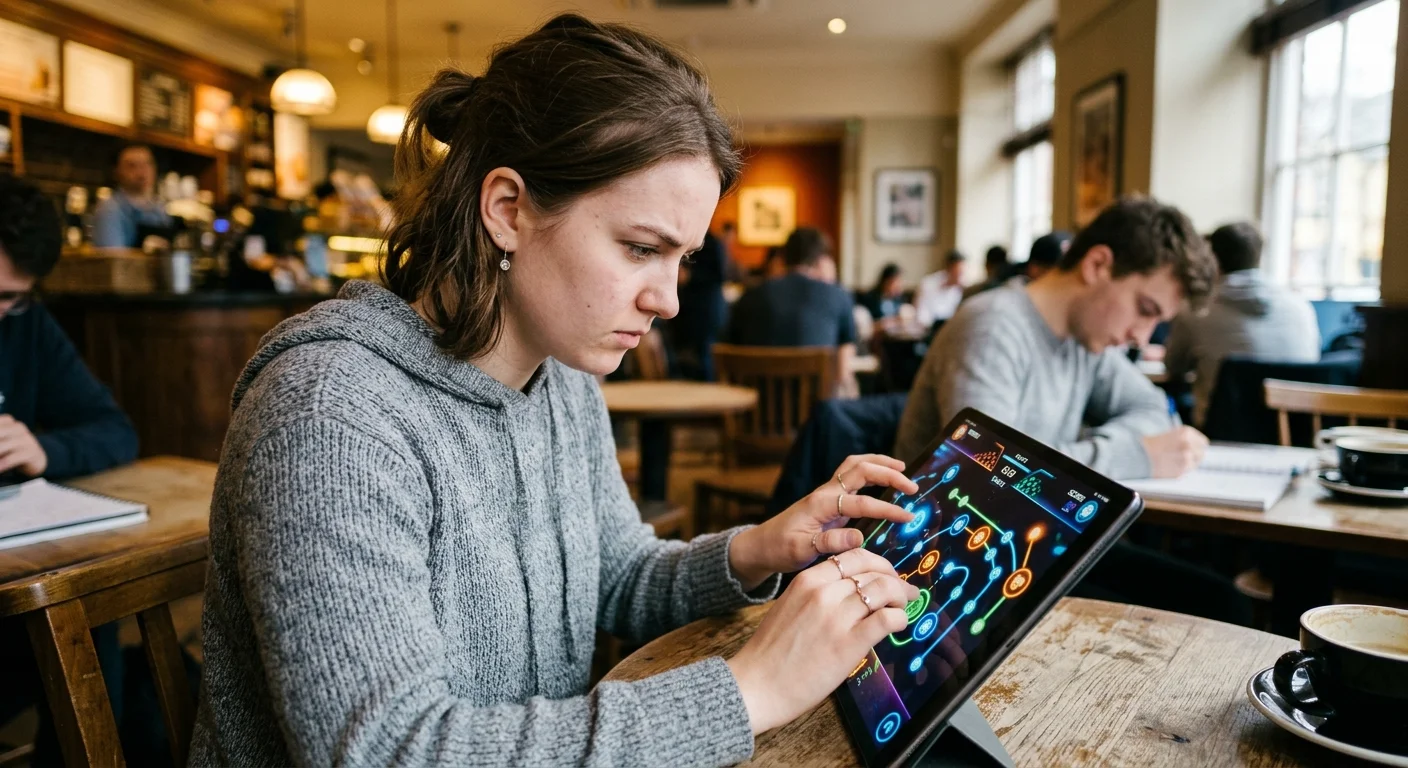
Not all hand coordination games are created equal, and picking the wrong one can stall your progress or worse, bore you into quitting. The goal at this stage is matching the game's demands to your current ability. If you've never trained your hand reflexes intentionally, you want something that isolates basic reactions: tap targets, follow moving objects, or respond to color cues. Games that require full-hand motion tracking, like those on Hand Play, offer a natural progression from simple taps to complex gestures.
Matching Game Type to Your Skill Level
Beginners should focus on single-input reaction games. Think whack-a-mole style mechanics where you tap or swipe as quickly as possible. These train your brain-to-hand signal speed without overwhelming you with multiple simultaneous inputs. The average untrained person has a visual reaction time around 250 milliseconds, and simple reaction games can help bring that down by 20 to 30 milliseconds within a month of regular play.
Intermediate players can step up to rhythm-based or pattern-matching games. These require not just speed but also timing and spatial awareness. You're training your hands to move precisely, not just quickly. Games that incorporate guided hand movements are especially valuable here because they add a layer of motor planning that pure reflex games lack. Look for options that progressively increase tempo or introduce new gesture types as you improve.
Advanced players should seek out games that combine reaction speed with creative problem-solving. Some hand motion games require you to form specific shapes or follow complex trajectories in real time. The design philosophy behind engaging hand-based gameplay often draws from principles similar to those used by top game character design studios, where visual feedback and responsive animation keep players engaged and motivated to improve.
Try three different game types in your first week to discover which mechanics feel natural and which challenge you most.
Step 2: Set Up a Daily Practice Routine
Consistency beats intensity when it comes to reflex training. Playing hand coordination games for 10 to 15 minutes daily will outperform a two-hour weekend marathon every time. Your neuromuscular system adapts through repeated short exposures, not through exhaustion. The science behind this is called motor learning consolidation: your brain actually solidifies new movement patterns during rest periods between sessions, not during the sessions themselves.
Structuring Your Sessions for Maximum Gains
Start each session with a two-minute hand warm-up. Spread your fingers wide, make fists, rotate your wrists, and do gentle finger stretches. Cold, stiff hands react slower and are more prone to repetitive strain. This isn't optional. Skipping warm-ups is the number one reason casual gamers develop wrist discomfort that forces them to stop training entirely.
Never push through hand or wrist pain during gameplay. Stop immediately and rest if you feel sharp discomfort or numbness.
After warming up, spend the first five minutes on your weakest skill. If your left hand is slower, focus there. If you struggle with downward swipes, drill those specifically. Targeted practice on weak areas produces roughly twice the improvement rate compared to just playing through full games repeatedly. The remaining time should be spent on full gameplay where all skills integrate naturally and you experience the satisfaction of applying what you've practiced.
End every session with a brief cooldown. Shake out your hands, do light stretches, and mentally note what felt easier or harder than yesterday. This habit of self-assessment takes thirty seconds and dramatically improves your awareness of progress over time. Many players plateau simply because they never pause to identify what needs work. A short reflection period fixes that problem without adding significant time to your routine.
Step 3: Track Your Progress and Adjust Difficulty
What gets measured gets improved. Most hand coordination games include built-in scoring, but raw scores only tell part of the story. You need to track specific metrics that reflect actual reflex improvement. Reaction time (how fast you respond to a stimulus), accuracy (how often you hit the correct target), and consistency (how stable your performance is across a session) are the three pillars of meaningful progress tracking. Record these weekly at minimum.
Key Metrics to Monitor
Your reaction time should decrease steadily over the first four to six weeks. Studies on cognitive motor training show that most people see their biggest gains in weeks two through four, with a natural plateau around week six. When the plateau hits, that's your signal to increase difficulty. Bump up the game speed, switch to a harder mode, or introduce a new game type that challenges a different aspect of coordination. Stagnation means your brain has adapted, and you need a fresh stimulus.
Accuracy matters as much as speed. A player who hits 95% of targets at 220 milliseconds is performing better than someone hitting 70% at 190 milliseconds. Many beginners make the mistake of chasing speed at the expense of precision. This actually reinforces sloppy motor patterns. Focus on accuracy first, then let speed develop naturally. Your hands will get faster as the movements become automatic, but only if those movements are correct from the start.
Read Also: Clean Code Practices to Improve Code Maintainability
If your accuracy drops below 80% after increasing difficulty, scale back one level and practice until you consistently hit 90% before advancing again.
Consistency is the most underrated metric. Check the spread between your best and worst reaction times in a single session. If your best is 180 milliseconds but your worst is 350 milliseconds, your reflexes are unreliable. Narrowing that gap is more practically useful than lowering your peak time. Real-world reflex situations, from catching a falling glass to reacting during sports, demand reliable response times rather than occasional flashes of speed.
"Narrowing the gap between your best and worst reaction times matters more than chasing a single fast score."
Step 4: Level Up with Advanced Techniques
Once you've built a solid foundation through consistent practice and progress tracking, it's time to push beyond standard gameplay. Advanced hand coordination games introduce elements like dual-hand independence, where each hand performs different actions simultaneously. Think of it like the coordination a drummer needs, where the left hand keeps rhythm while the right hand plays fills. This bilateral coordination training strengthens the corpus callosum, the brain structure that connects your two hemispheres.
Combining Coordination with Creative Challenges
Try incorporating trick-based challenges into your practice. Hand Play offers smart hand motion challenges that go beyond simple reaction drills, asking you to perform specific gestures, follow guided sequences, and learn tricks that build both speed and finesse. These creative challenges engage different neural pathways than pure reflex training. Your brain has to plan movements, execute them precisely, and adjust in real time based on visual feedback. That multi-layered cognitive demand is what produces the deepest improvements.
Another powerful technique is cross-training between different hand coordination games within the same session. Spend five minutes on a reaction-speed game, then switch to a rhythm game, then finish with a gesture-following challenge. This variety prevents your brain from settling into a single pattern and forces adaptive flexibility. Research in motor learning consistently shows that variable practice conditions produce better transfer of skills to new situations compared to blocked, repetitive practice on one task.
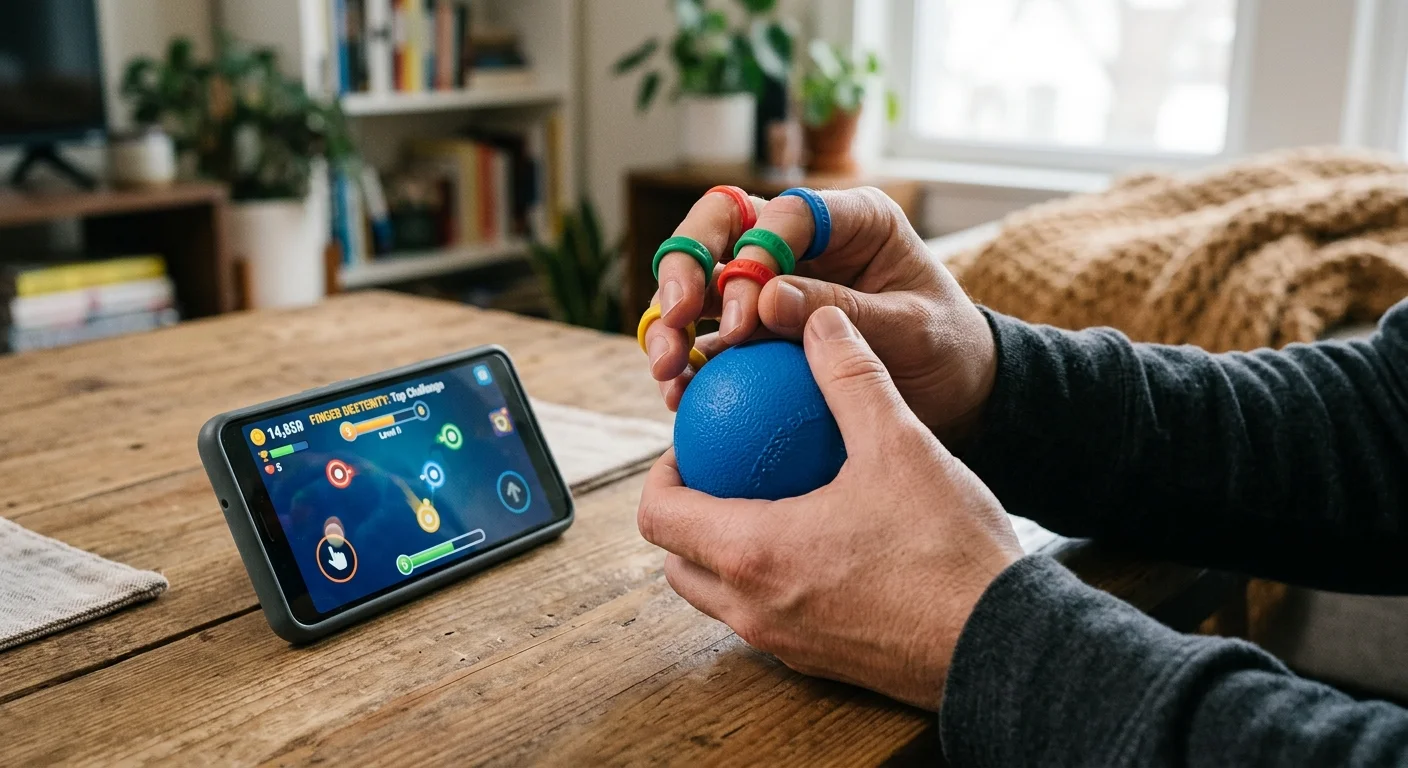
Finally, consider adding physical finger dexterity exercises between gaming sessions. Squeeze a stress ball, practice touching each fingertip to your thumb in rapid sequence, or use a hand grip strengthener. These physical exercises complement the neural training from games by building the muscular endurance and fine motor control that support faster, more accurate in-game performance. The combination of digital gameplay and physical exercise creates a feedback loop where each practice type enhances the other.
Alternate between two or three different game types within a single session to prevent neural adaptation and keep improvement rates high.
Frequently Asked Questions
?How do I structure a 10–15 minute daily coordination session?
?Are rhythm-based games better than whack-a-mole style games for reflexes?
?How long before I see a real drop in my 250ms reaction time?
?Is skipping the hand warm-up before sessions a big deal?
Final Thoughts
Building fast reflexes through hand coordination games is straightforward when you follow a structured approach. Pick games that match your current level, practice daily in focused short sessions, track meaningful metrics, and progressively increase the challenge.
The difference between someone who plays casually and someone who improves rapidly comes down to intentionality. Warm up, drill your weaknesses, play full rounds, and reflect on your performance. Your hands are capable of remarkable speed and precision; they just need the right training to unlock it.
Disclaimer: Portions of this content may have been generated using AI tools to enhance clarity and brevity. While reviewed by a human, independent verification is encouraged.